Roller Garage Doors
Roller Doors vs Sectional Doors Compared
Headroom, insulation, speed, cost, and aesthetic compared. When sectional wins for attached garages and when roller is the right pick.
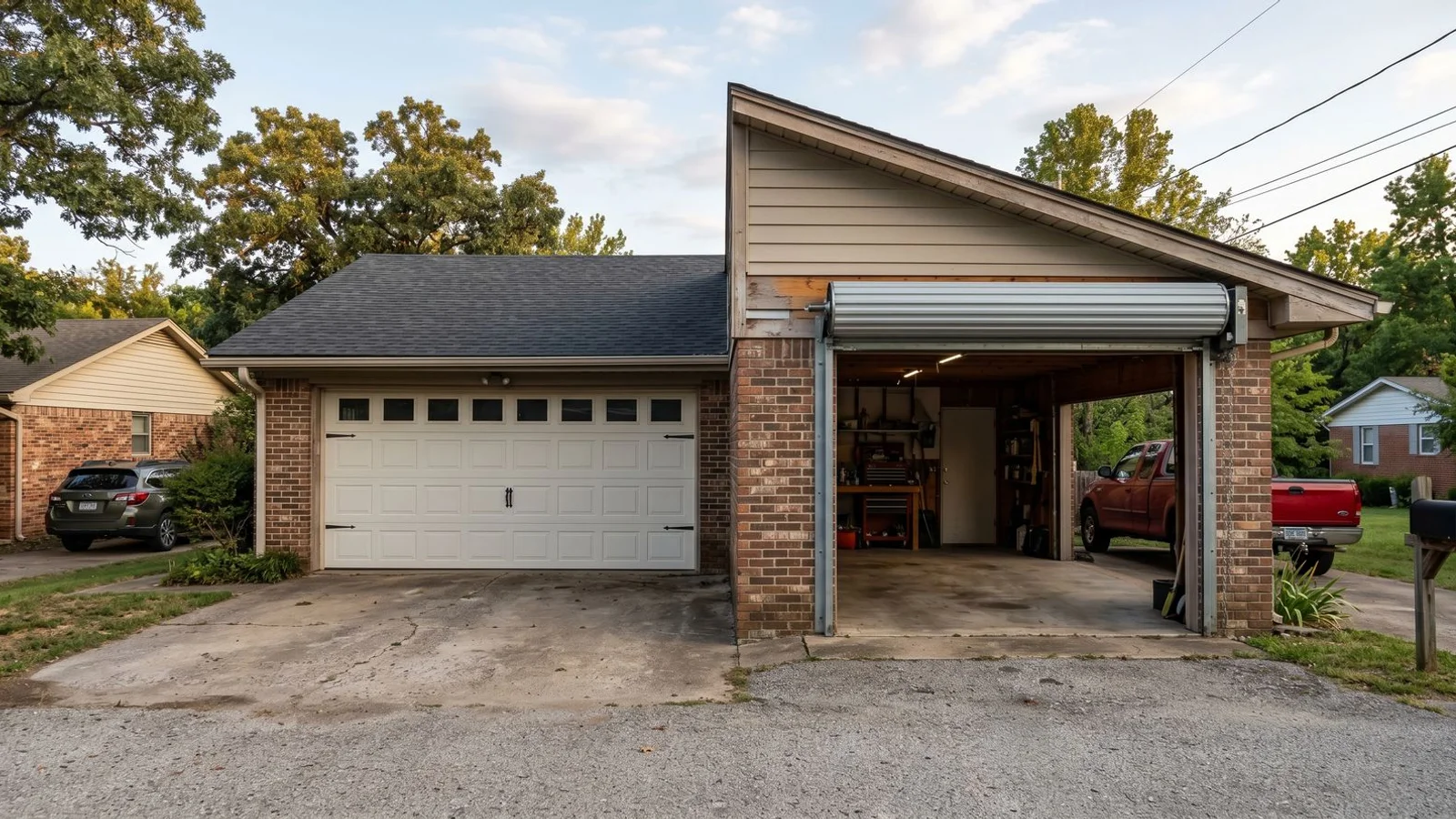
We often see property owners get stuck choosing between roller and sectional garage door designs. That choice dictates your daily convenience, home security, and long-term maintenance costs. The core difference simply comes down to how they open and store themselves.
Our field experience shows that missing a critical detail like track clearance can derail an entire renovation. A quick decision here could cost you thousands in structural modifications later.
Let’s compare the verified 2026 performance data to find your best option. We will break down the precise dimensions needed and walk through the specific use cases for each style.
Side-by-Side Comparison
Sectional doors dominate the residential market, while roller doors remain the standard for commercial spaces. This table compares the latest 2026 US market specifications to give you a clear baseline. Our installation crews reference these exact figures when planning new setups.
| Factor | Sectional | Roller |
|---|---|---|
| Minimum headroom | 12 to 15 inches standard | 16+ inches for the drum |
| Insulation maximum | Up to R-20.4 (Polyurethane) | R-0 to R-9 (Slatted) |
| Aesthetic options | Extensive (Carriage, Modern, Wood) | Very limited (Horizontal banding) |
| Average US cost | $4,672 (2025/2026 data) | $2,200 to $7,500+ |
| Residential speed | 9 inches per second up | 7 to 9 inches per second |
| Return on Investment | 268% average US resale value | Variable based on commercial use |
| Typical lifespan | 15 to 25 years | 20+ years |
Headroom Considerations
Sectional doors require horizontal ceiling space, whereas roller doors keep the ceiling completely clear. You will need a minimum of 12 inches of overhead clearance for a standard sectional setup. Our specialists frequently install low-headroom kits that need only six to eight inches of space for tight residential builds.
Most US homes feature a standard 12-inch or 15-inch radius track to guide the connected panels backwards. That horizontal track run prevents you from hanging large items from the garage ceiling. We recommend roller models when a client needs maximum vertical space inside the room.
These metal sheets roll up directly into a tight cylindrical drum sitting just above the opening. The metal drum needs roughly 16 inches of vertical clearance right at the header. Our commercial clients love this design because it leaves the entire ceiling open for HVAC ducts or tall vehicle lifts.
Insulation
Sectional designs easily win the insulation category for attached residential garages. Thick polyurethane foam cores provide a massive thermal barrier against harsh outdoor temperatures. We install modern doors, like the Clopay Intellicore series, that reach an impressive R-20.4 thermal rating.
This high R-value keeps interior walls comfortable and drastically reduces your monthly energy bills. Roller slats typically top out between R-6 and R-9 due to their thin interlocking profile. Our teams notice that many commercial roller setups skip insulation entirely to save on upfront costs.
That lower thermal performance creates a major problem if your attached garage shares a wall with a living room. A poorly insulated barrier forces your home air conditioner to work much harder during hot summer months. Our technicians always prioritize thick weatherstripping and high R-values for climate-controlled spaces.
Aesthetic Options
Sectional builds provide dozens of attractive design combinations that match almost any home architecture. You can easily find styles ranging from classic carriage house wood-looks to sleek aluminum frames with glass panels. We consistently see property values jump when clients choose modern composite overlays.
The 2025 and 2026 Cost vs. Value reports from Zonda show a massive 268 percent average return on investment for standard garage door replacements nationwide.
That incredible financial return relies entirely on the massive boost in exterior curb appeal. Our residential portfolio rarely includes roller doors because their industrial horizontal banding looks out of place on a traditional house.
The slatted construction severely restricts your color choices and window placement options. A plain metal curtain simply cannot compete with the customized hardware and rich textures available on a standard paneled system. We guide homeowners through these visual choices to maximize their resale value.
Speed
Standard residential motors run at comparable speeds regardless of the door type. A top-tier residential belt drive unit, like the LiftMaster 87504-267, opens a standard sectional at a brisk 9 inches per second. Our testing shows residential roller motors match this pace closely at around 7 to 9 inches per second.
The real speed differences emerge in heavy-duty commercial environments. High-speed commercial roller units can easily reach an astonishing 60 inches per second. We supply these lightning-fast industrial units for busy loading docks and temperature-controlled warehouses.
A rapid open-and-close cycle prevents conditioned air from escaping large facilities. It also keeps unauthorized personnel out during busy shift changes.
Cost
We find that standard single-car sectional setups generally cost less than comparable roller systems. National pricing averages provide accurate budget estimates for local families.
The latest US market data shows a professional garage door replacement averages $4,672 for a standard paneled unit.
Our commercial quotes for heavy-duty security shutters often land much higher than that average. Roller systems typically run between $2,200 and $7,500 depending on the steel gauge and specific motor requirements. Premium glass or custom wood composite sectionals will also push your final invoice up significantly.
We always break down these material costs during the initial site inspection. The base price for a plain steel paneled unit remains the most budget-friendly choice available.
Security Comparison
Both designs offer excellent protection for a typical residential neighborhood. We install modern automatic locking features to provide strong defense against forced entry attempts. Commercial security clients usually demand the superior structural integrity of a heavy roller unit.
Thick interlocking steel slats resist pry attacks much better than hinged composite sections. Our installation teams secure these industrial setups with heavy-duty padlocks and electronic deadbolts. The enclosed drum housing prevents criminals from accessing the top hardware or vulnerable springs.
The solid curtain creates an intimidating physical barrier for storefronts and supply depots. We know this heavy steel construction simply outlasts typical residential materials.
When Sectional Wins
Attached residential properties with heavy insulation requirements should stick with a paneled design. A traditional design provides massive aesthetic flexibility for diverse architectural layouts. We strongly suggest this route when local curb appeal is your primary concern.
The lower installation price makes it the smartest option for a budget-conscious renovation. Here is a quick breakdown of the ideal scenarios for this design:
- Attached residential buildings with shared living walls.
- Neighborhoods where property value and curb appeal matter most.
- Projects requiring a strict budget.
- Homes needing custom paint matching or decorative hardware.
Our data shows this style dominates the vast majority of local residential applications. These specific situations almost always demand a paneled solution.
When Roller Wins
Older homes with extremely tight basement clearance are the perfect candidates for a rolling curtain. We see heavy-duty commercial loading bays also require this durable, compact solution. Automotive shops love the extra overhead room for tall hydraulic car lifts.
Any commercial space with complex overhead HVAC routing benefits from removing the horizontal tracks. Our commercial installers rely on these tough units for high-traffic retail storefronts. Here are the most common situations that call for a rolling drum system:
- Tight residential spaces lacking horizontal track clearance.
- High-cycle commercial warehouses.
- Retail security shutters.
- Facilities needing maximum interior vertical height.
A rolling curtain safely secures these difficult spaces. We keep parts for both styles fully stocked for fast repairs.
The Honest Recommendation
Paneled systems are almost always the correct choice for standard residential homes. The superior thermal performance, diverse styling, and affordable price point make it the clear winner for 95 percent of houses. Our commercial recommendations completely depend on your specific daily operations.
Busy loading areas and secure retail shops strongly favor the rolling drum approach. A restaurant wanting an open-air vibe will want a full-glass sectional, while a standard back warehouse area needs an insulated steel version.
We invite you to explore our roller doors service page for specific installation details. You can also review the comprehensive three-way comparison guide to see how a tilt-up mechanism fits into the picture. Call (479) 469-8829 to schedule a personal consultation today.
Frequently Asked Questions
Which is better for an attached residential garage?
Sectional almost always. Better insulation options, easier aesthetic match to the house, and lower cost.
Can roller doors be insulated?
Yes — insulated slats with polyurethane core provide R-6 to R-9. Less than sectional's R-12 to R-18 typical, but workable for conditioned spaces.
Are roller doors more secure than sectional?
For commercial use, yes — interlocking slats and enclosed drum resist pry attacks. For residential, the security difference is small.