Garage Door Installation
Do You Need an Insulated Garage Door in Arkansas?
Compare insulated and non-insulated garage doors for Arkansas summers and winters. R-value, cost premium, and when each is the right pick.
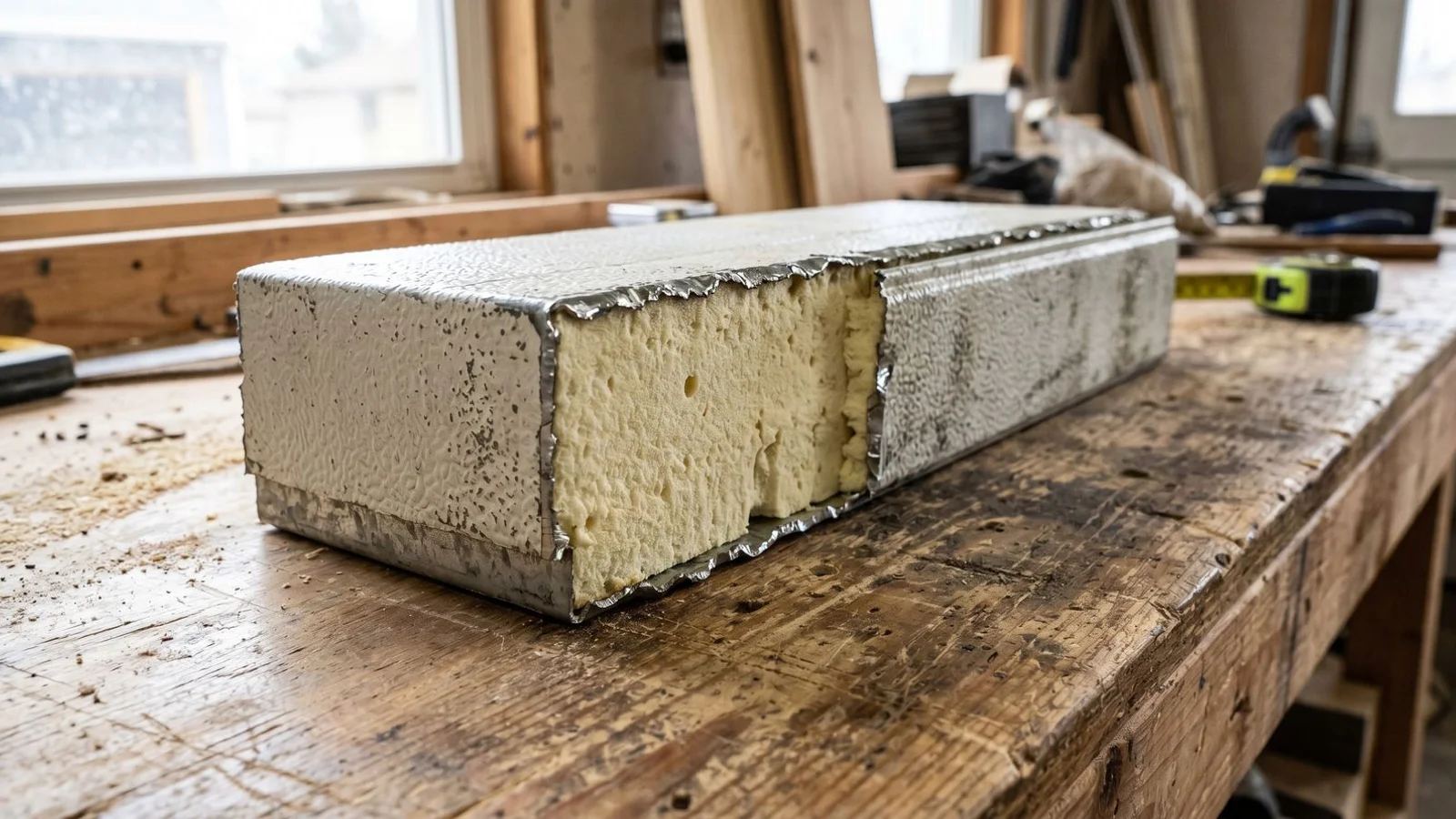
We at Garage Doors of Fayetteville know attached garages in Northwest Arkansas almost always need an insulation upgrade.
When comparing insulated vs non insulated garage doors, it is a coin flip for detached spaces depending on whether you condition the interior.
Our installation crew frequently helps local families make this exact decision.
Let’s review the data and lay out a clear plan to find the right fit for your home.
R-Value Primer
We evaluate an R-value garage door by its thermal resistance rating. A higher number means a better thermal barrier for your home. The industry uses these ratings to compare different insulating materials.
Our technicians prefer polyurethane insulation because it bonds directly to the steel frame. This injection-molded process adds incredible structural rigidity to the panels. Polystyrene is a cheaper alternative, but it offers lower R-values and minimal structural support.
Here are the typical residential ranges you will encounter:
- Non-insulated: R-0 (just standard 24-gauge steel, no thermal barrier)
- Polystyrene foam insert (basic): R-6 to R-8
- Polyurethane core (premium): R-12 up to R-20.4 (found in top-tier lines like Clopay Intellicore)
We appreciate how polyurethane foam expands to fill every single cavity inside the door. When choosing a polyurethane vs polystyrene door, you get a much stronger, quieter, and more efficient barrier with the injected foam.
Arkansas Summer Heat Math
A 16-foot uninsulated garage door facing the west sun in July reaches surface temperatures well over 130 degrees Fahrenheit. That intense heat radiates into the garage, pushing the interior 15 to 25 degrees above the outdoor temperature.
We frequently see this trapped heat migrate directly into the conditioned house through shared walls. This extra heat load forces your AC system to work much harder during the peak summer months. Local climate data from 2025 shows Fayetteville July temperatures regularly hitting the low 90s.
Our insulation upgrades offer a highly practical solution to this problem.
A high-quality R-16 insulated door cuts heat transfer by 70 to 80 percent. The Department of Energy reports that properly insulating your garage can save 10 to 20 percent on home heating and cooling expenses.
We know the AC savings typically recover the insulation upgrade cost in four to seven years for Northwest Arkansas homes. You will feel the comfort difference immediately.
Arkansas Winter Cold Math
Winter overnight lows in Northwest Arkansas hit the 20s and 30s, with occasional cold snaps dipping into the single digits. A non-insulated attached garage acts like a giant freezer, pulling valuable heat directly from your conditioned house.
We always warn homeowners about this hidden winter energy drain. January 2025 weather records showed average low temperatures hovering around 26 degrees Fahrenheit in Fayetteville. This continuous cold exposure makes adjacent interior rooms deeply uncomfortable.
Our installations prove that an R-12 or higher rating creates a powerful thermal buffer. You can expect the following winter benefits:
- Keeps the attached garage 15 to 25 degrees warmer than the outdoor air.
- Reduces conductive heat loss through shared interior walls.
- Protects plumbing pipes located in the garage from freezing.
Cost Premium
Upgrading to an insulated door requires a modest initial investment, but it delivers massive long-term financial returns. The 2025 Cost vs. Value Report by Remodeling Magazine reveals a staggering 268 percent return on investment for garage door replacements.
We recommend the R-12 to R-16 polyurethane tier as the absolute sweet spot for most attached garages. This range offers strong thermal performance, serious structural benefits, and surprisingly quiet operation for a reasonable price. A national average cost of $4,672 can return up to $12,507 in resale value.
Our team has compiled typical Northwest Arkansas pricing differentials to help you budget for insulated vs non insulated garage doors:
| Insulation Tier | Average Price Premium | Best Use Case |
|---|---|---|
| Non-insulated steel | Baseline price | Storage-only spaces |
| Polystyrene-insulated | +$150 to $300 | Basic temperature buffer |
| Polyurethane R-12 to R-16 | +$300 to $500 | Standard attached garages |
| Polyurethane R-16 to R-18 | +$400 to $700 | Premium climate control |
When Non-Insulated Is Fine
You can safely skip the insulation and save money if you have a detached, unconditioned space used strictly for storage. Industrial roller doors at loading bays also typically lack insulation because the space remains unconditioned.
Detached Storage and Workshops
A simple space heater is often cheaper than an insulation upgrade for a detached workshop you only use occasionally. Standard uninsulated models feature 24-gauge steel construction that works perfectly well for basic security.
We install many of these standard doors for low-utilization outbuildings across the region. A basic steel door keeps the rain and wind out just fine. You really only need to spend the extra money if you plan to heat or cool the interior.
Commercial Loading Bays
Light commercial roller doors usually feature single-layer steel construction. Unconditioned industrial spaces simply do not benefit from expensive thermal barriers.
Our technicians regularly fit these basic doors for local warehouses and farm structures. They offer a highly cost-effective solution for massive openings.
When Insulation Is a Must
You must choose an insulated door for any attached garage with a bedroom situated right above it. Non-insulated panels are simply not viable for heated workshops, home gyms, or finished garage spaces.
We consider insulated doors the modern standard for any premium new build or renovation. High-quality polyurethane models carry a Sound Transmission Class (STC) rating of 35 to 40. This dense acoustic barrier drastically reduces noise transmission from the street into your living space.
Our customers consistently report that the noise reduction alone was worth the upgrade price. Here are the scenarios where you must upgrade:
- Attached garage with bedroom above: The insulation reduces noise and keeps the bedroom floor comfortable.
- Attached garage with conditioned space adjacent: AC and heating savings recover the upgrade fast.
- Heated workshop or home gym: You need a thermal barrier to maintain a usable temperature.
- Premium new build or renovation: Buyers expect insulated doors as a standard feature.
Other Benefits Beyond Thermal
Insulated doors offer immense value through quieter operation and superior structural strength. The dense foam core absorbs vibration, while the bonded layers reduce panel flex and wind-load deflection.
We always emphasize these structural benefits to homeowners living in severe weather zones. High-quality polyurethane doors feature impressive WindCode ratings capable of withstanding wind speeds up to 140 mph. This added durability helps protect your home from sudden Arkansas spring storms and straight-line winds.
Our installation crews notice that insulated models simply feel more solid. Here are the everyday advantages you will experience:
- Smoother, vibration-free operation on the tracks.
- Significant reduction in rattling noises during windy days.
- A premium, heavy-duty feel when operating the door manually.
Our team is ready to provide a full quote that compares insulated vs non insulated garage doors for your specific size and use case.
Just call (479) 469-8829 to get started.
See our installation cost guide for typical Northwest Arkansas pricing today.
Frequently Asked Questions
Is insulation worth it for a detached garage?
Usually not unless it's a heated workshop. Save the money for a better door, opener, or insulation in the conditioned house.
What R-value should I choose for an attached garage in NWA?
R-12 to R-16 is the sweet spot. Higher than R-16 has diminishing returns unless the garage is fully conditioned.
Does insulation reduce noise too?
Yes. Insulated doors are quieter to operate and dampen outside noise. Useful for attached garages with bedrooms above.